Read More
industry
Inside Delta’s Turbine Build Shop: The Edge You Can’t Get From a Factory Order
When a customer needs a vertical turbine pump — planned or urgent — most suppliers can place an order. Delta…
 Finding nearest store...


“Water is critical to our operation. There are a lot of competing uses for water. We need to manage it as a finite, precious resource. Drip irrigation makes the most efficient use of the water; rather than wasting the water, it leaves it for other uses, such as the salmon habitat. Farming, in general, is the most compatible land use for creating a healthy habitat for salmon recovery. We’re blessed with some of the most primed soils in the country, in Whatcom County, for potato production and also a great climate. But, we still have to supplement with irrigation, and that’s just critical to us.” Greg Ebe, Ebe Farms
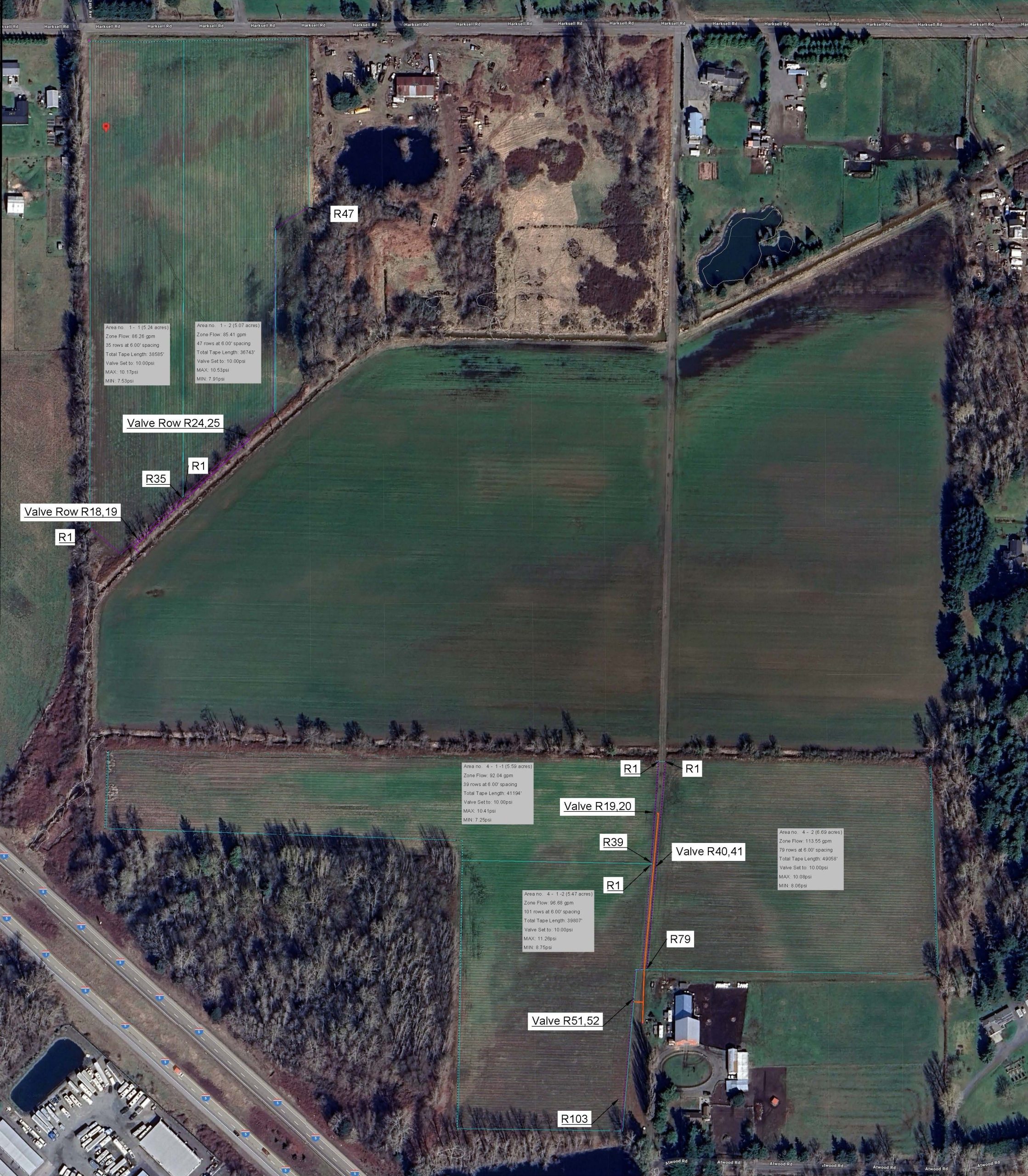
A fourth-generation family farm that has been in operation for over 100 years. It is now run by Greg Ebe – his grandfather started with only 40 acres. They now grow over 100 varieties of potatoes (in the lab) and grow out 75-80 varieties in the field a year. On average, they have a 5-year rotation with raspberries in for 7 years, they then follow with a potato crop, wheat crop, then a potato crop again before going back into raspberries. They rotate through about 6,000 acres. The farm is 100% irrigated, currently 70% drip, with a goal of getting to 90% drip.
Greg Ebe is a civil engineer by trade; he came back to run the farm 20 years ago.“We know this is a way of life, and we are committed to it.” When asked why drip irrigation matters to him personally: “We can’t just hope for rain.” (His grandfather lost an entire harvest to drought in his day.)
The seeds – NuGen seed is the lab and greenhouse that provides seed potatoes for Ebe Farms. This is a fully integrated seed farm, meaning they start from tissue culture plantlets to produce minitubers in-house. A lot of other farms will purchase seed and replicate for a year or two in the field. They grow these minitubers using a hydroponic irrigation practice called Nutrient Film Technique, which is also a very uncommon way of irrigating potatoes. So, from the first year in the greenhouse to the three years in the field with drip, the plants never face water stress.
Their team is comprised of 30–50 people, whom the Ebe family considers more friends than employees. Greg’s wife, Mary, handles the books, and son Bryan (24) works on the farm too – a real multi-generational operation. Their farm manager. Austin Lenssen grew up about ten minutes from the farm and came back to EBE after graduating from Washington State University.
Ebe Farms is the only potato producer in Whatcom County doing drip irrigation.
Washington State Produces More Potatoes Per Acre Than Idaho – They hold the world record for the highest potato yield per acre, according to the World Record Academy. Roughly 300 commercial growers plant more than 160,000 acres of potatoes annually, harvesting an average of 30 tons per acre — twice the U.S. average yield. Altogether, Washington produces 20 percent of all U.S. potatoes.
This achievement comes down to a combination of factors: favourable climate, rich volcanic soil, reliable water availability, and a long growing season, all of which give Washington’s potato crop an edge that other states can’t match.
Only two local growers — Ebe Farms and Dick Bedlington — still grow seed potatoes in Whatcom County, despite the region’s ideal soil/climate.
Washington State Department of Ecology is actively pursuing lawsuits against irrigators over water use — Ebe Farms has been served. Moving from hose reels to drip irrigation has reduced their water consumption by an estimated 30-40% (drip runs at 95% efficiency vs. 50-60% for hose reels). Water conservation isn’t just good practice for them — it’s a legal and business necessity. You can learn more about the legal battles/subsequent advocacy for Whatcom farmers here.
“Our future is working collaboratively with the tribes and the Department of Ecology. If we go to court, no one wins,” explained Ebe.
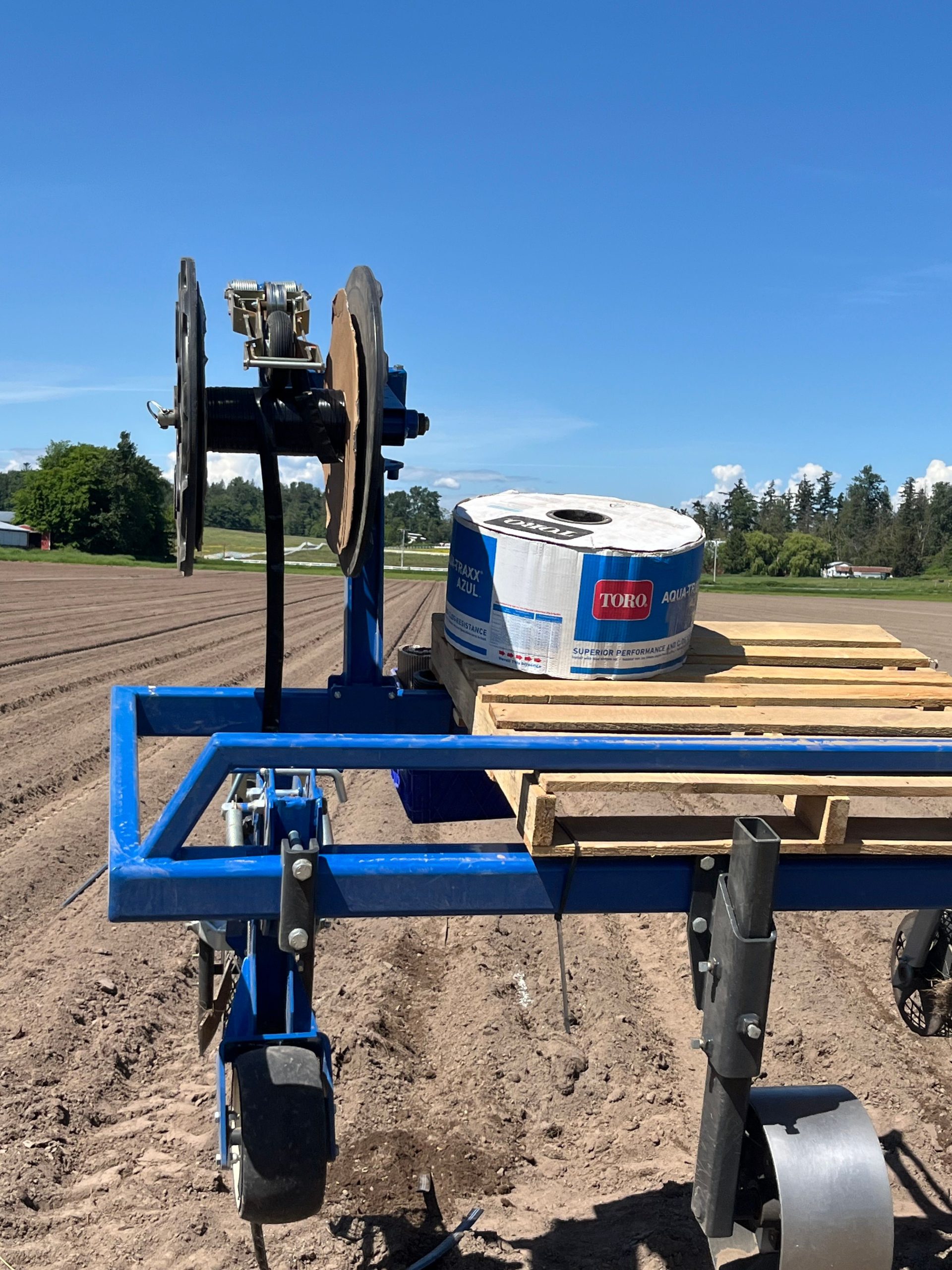
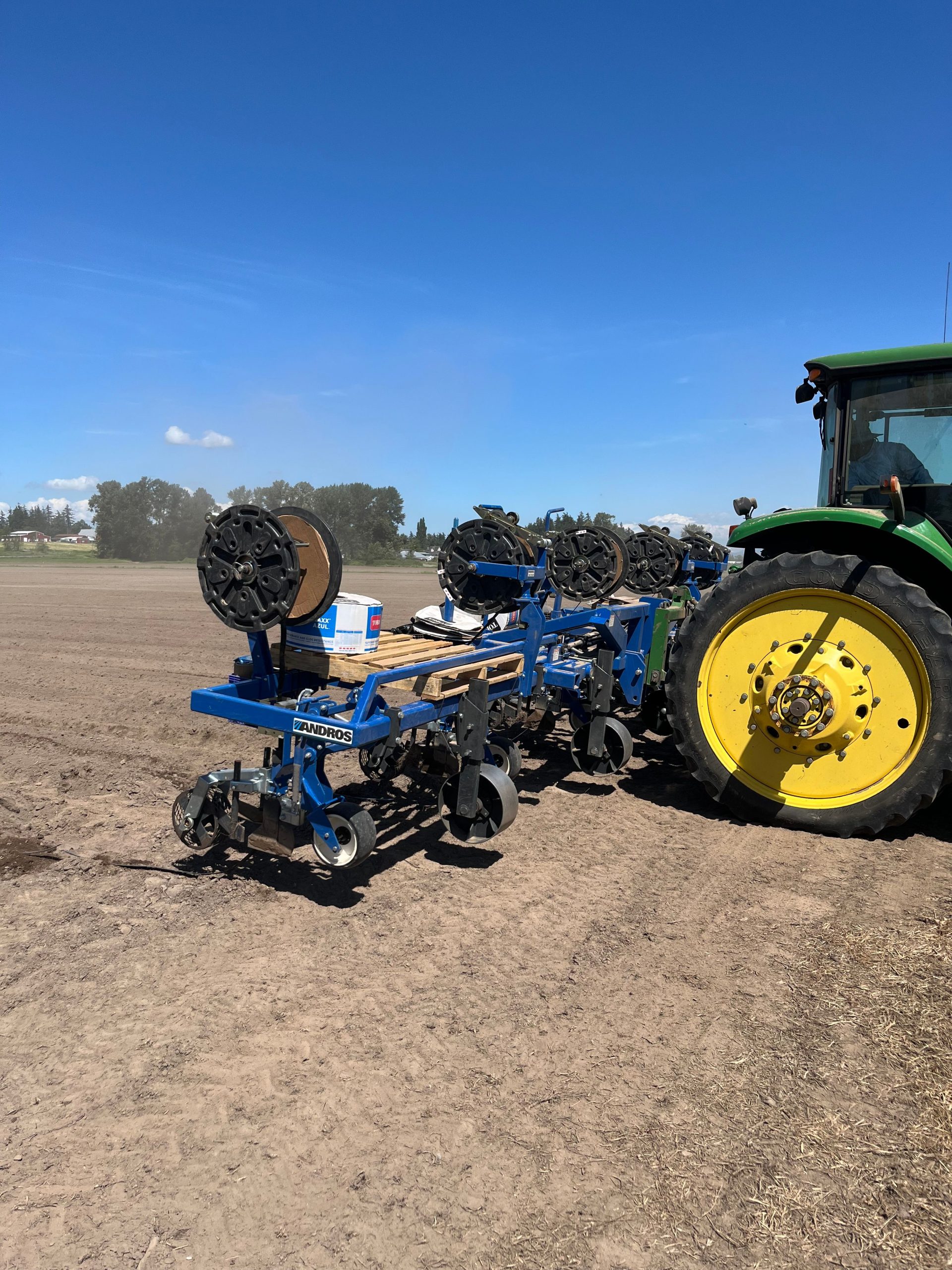
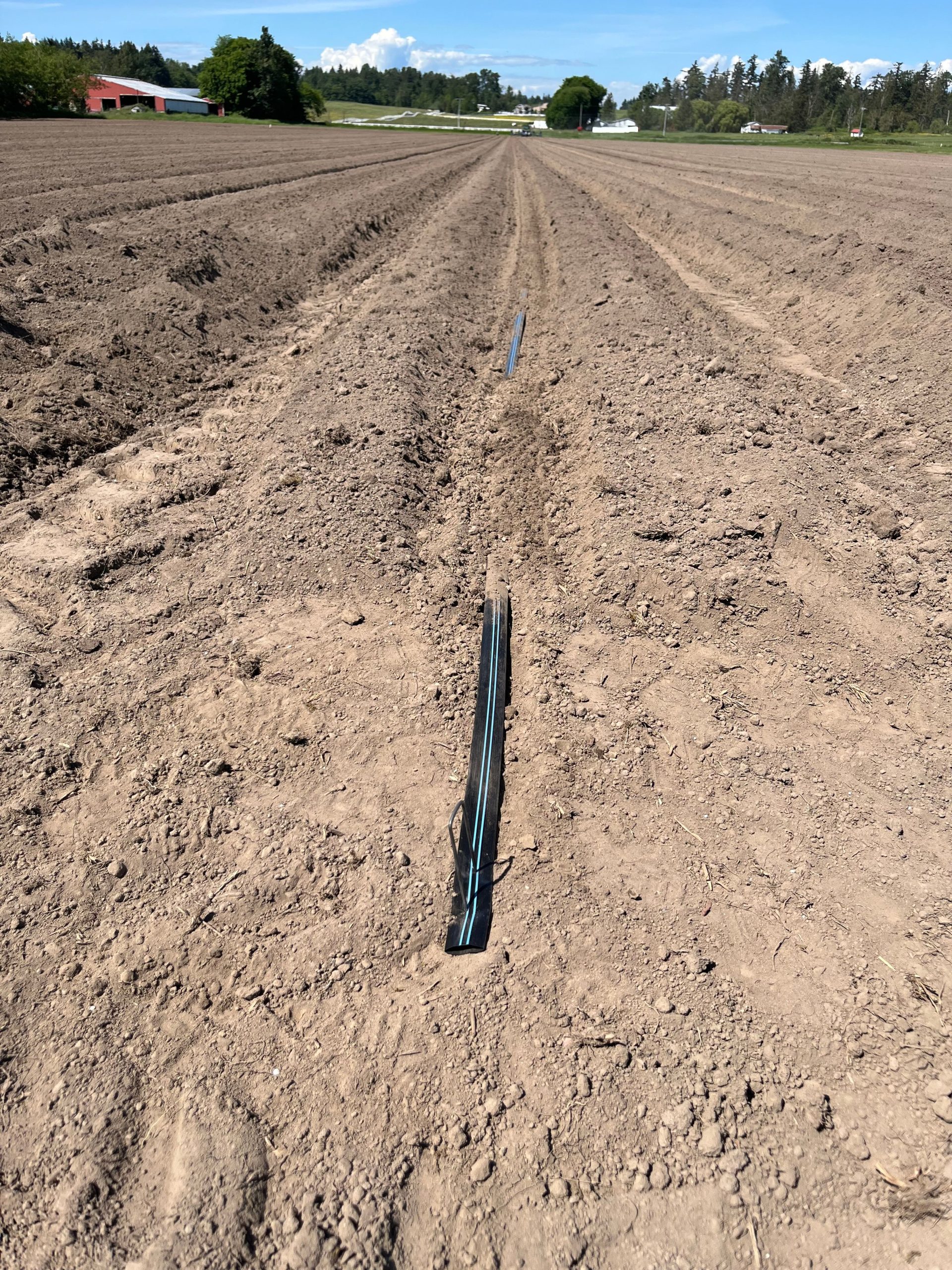
The used single-use drip tape is baled at the farm and sent to Andros Engineering’s recycling facility in California.
The reason single-use tape can be recycled instead of landfilled is that it has to go in clean. Andros Engineering’s baling equipment squeezes the mud and water out of the tape as it’s collected, producing dense, clean rolls (roughly 750–1,000 lbs each). Once received at the recycling facility, that clean plastic gets washed, ground, and pelletized — then sold as raw material to manufacture new plastic products. So it’s not just “diverted from landfill,” it’s actually re-entering the supply chain as a new product. That’s a much stronger sentence than what you have now.
The volumes involved across California growers aren’t “several farms’ worth” — they describe it in the millions of pounds.
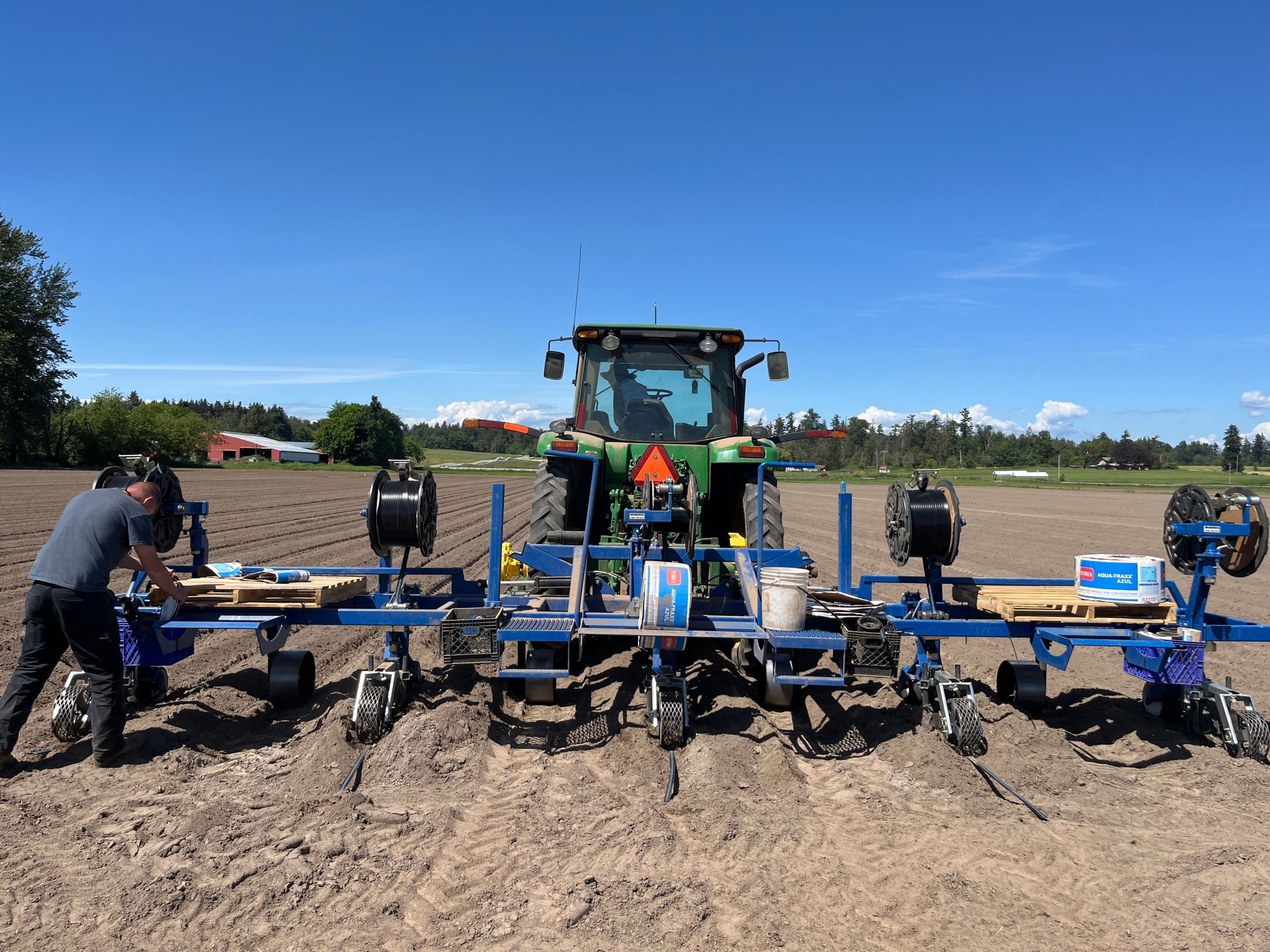
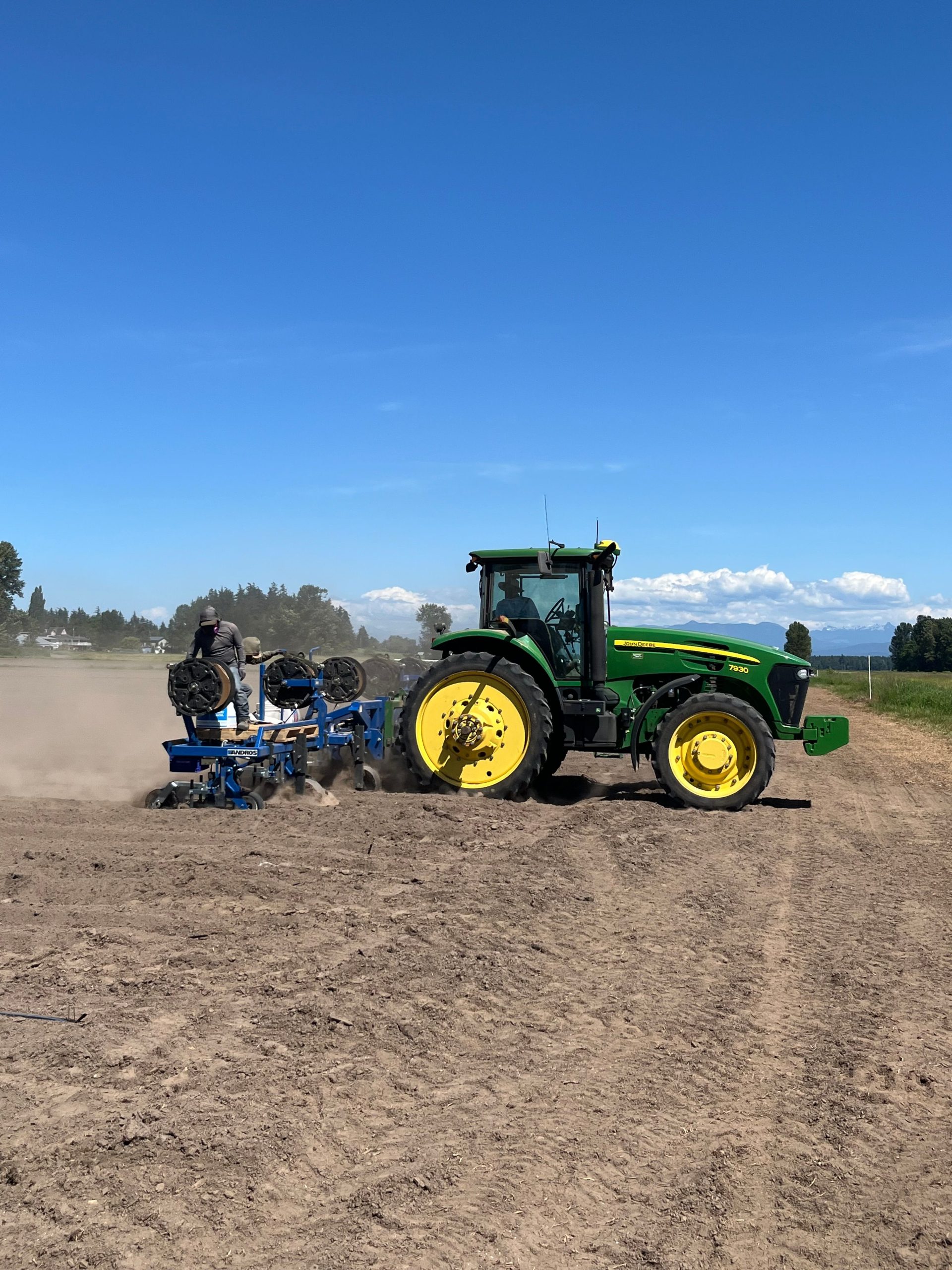
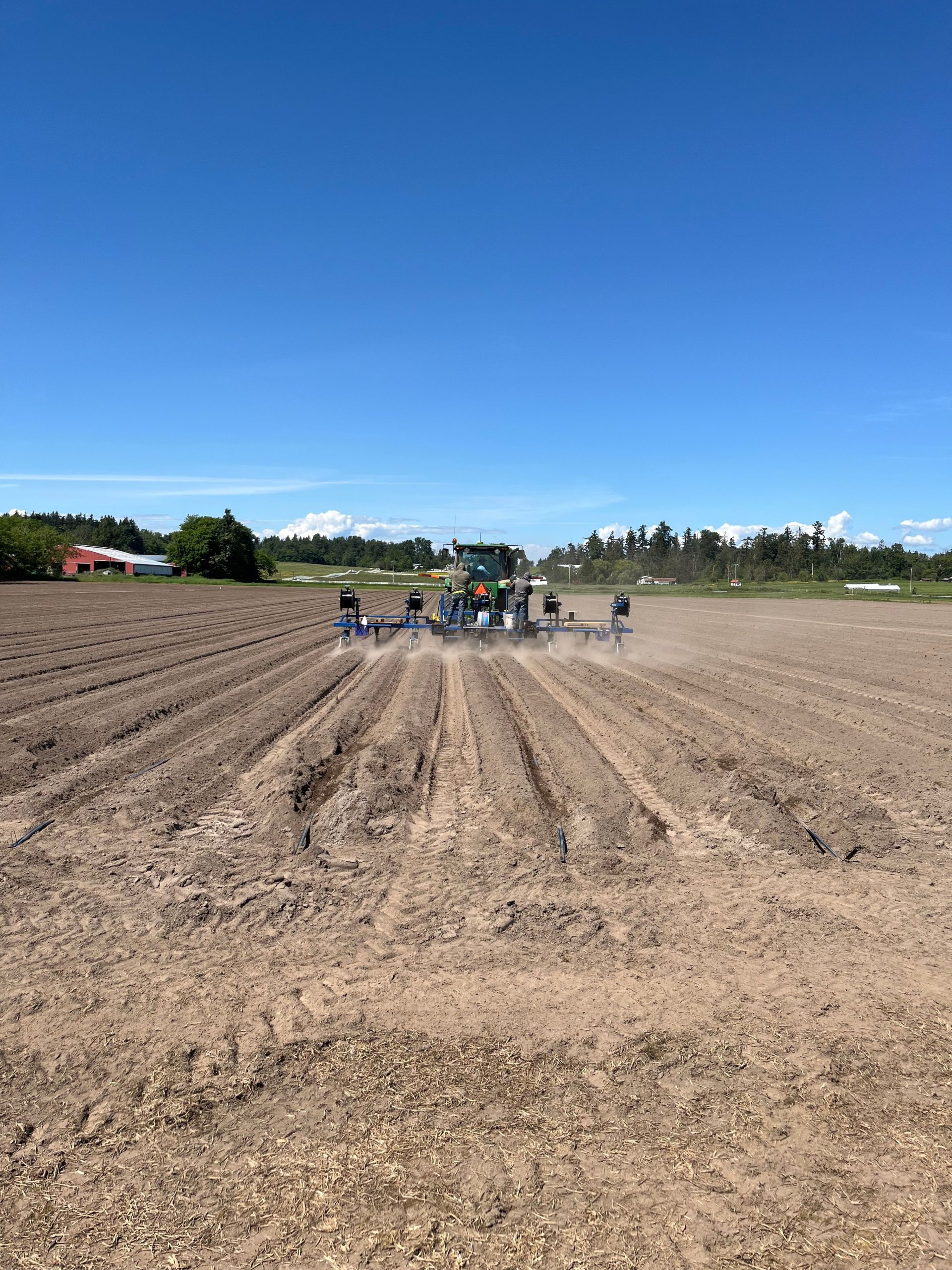
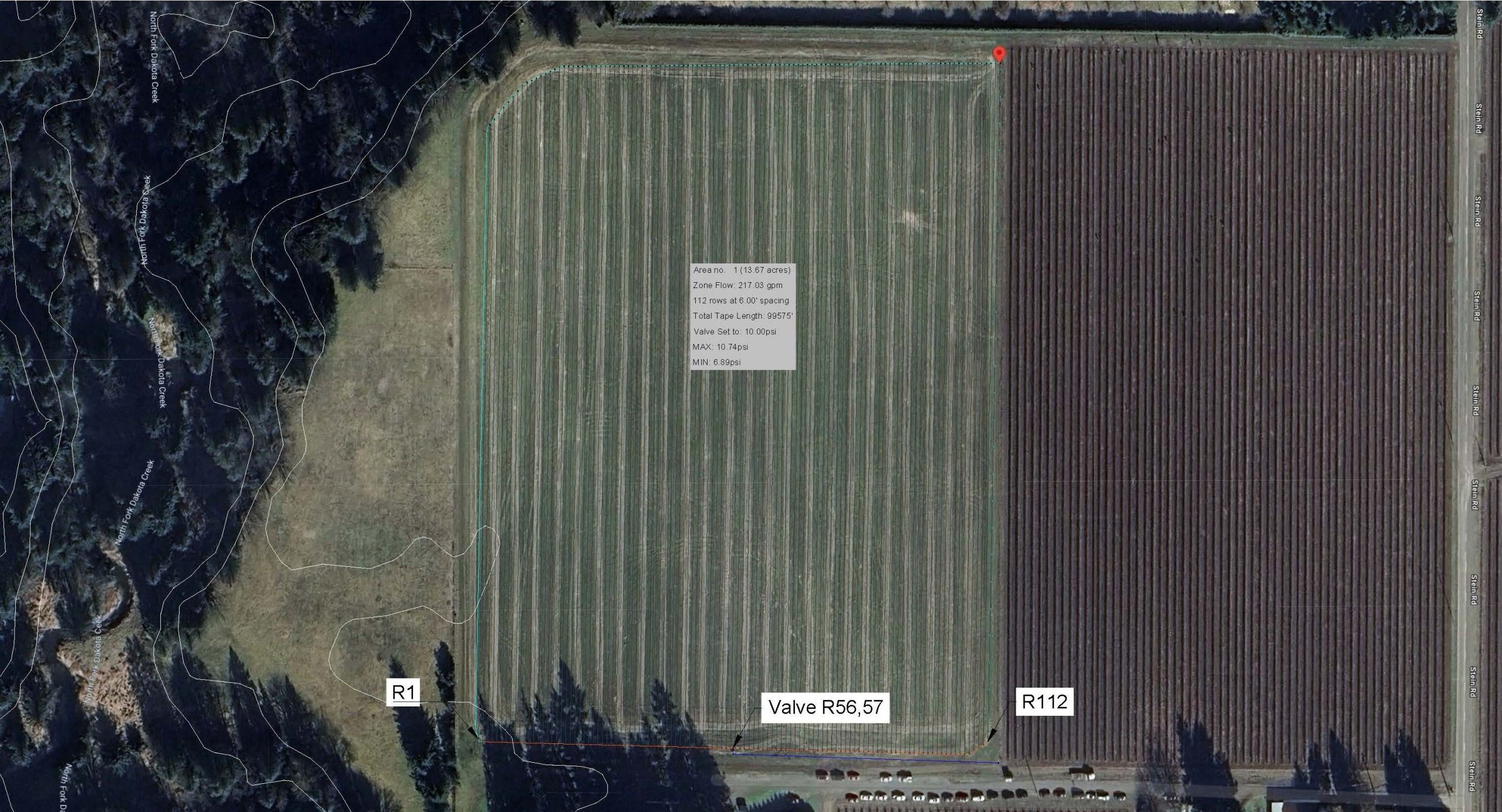
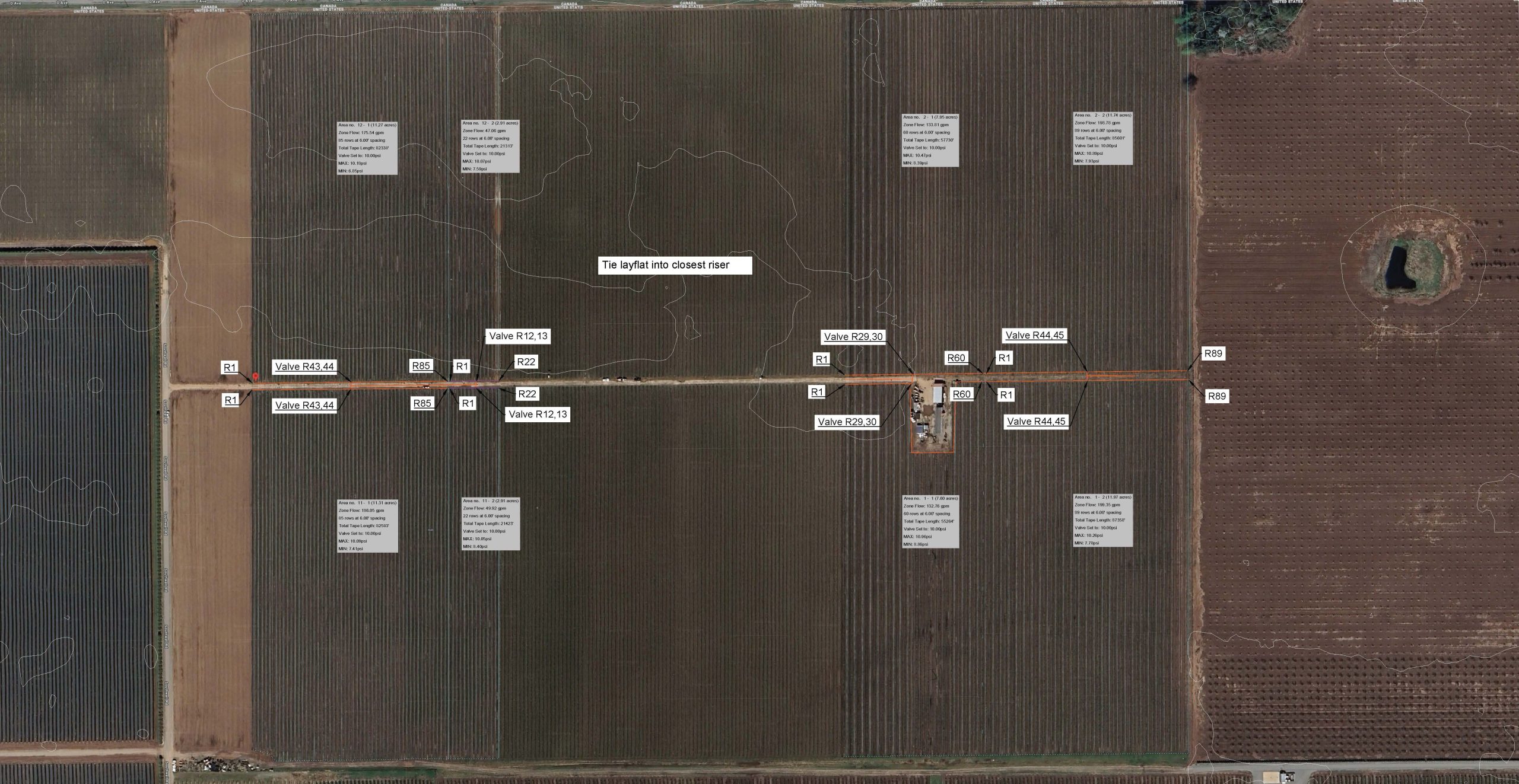
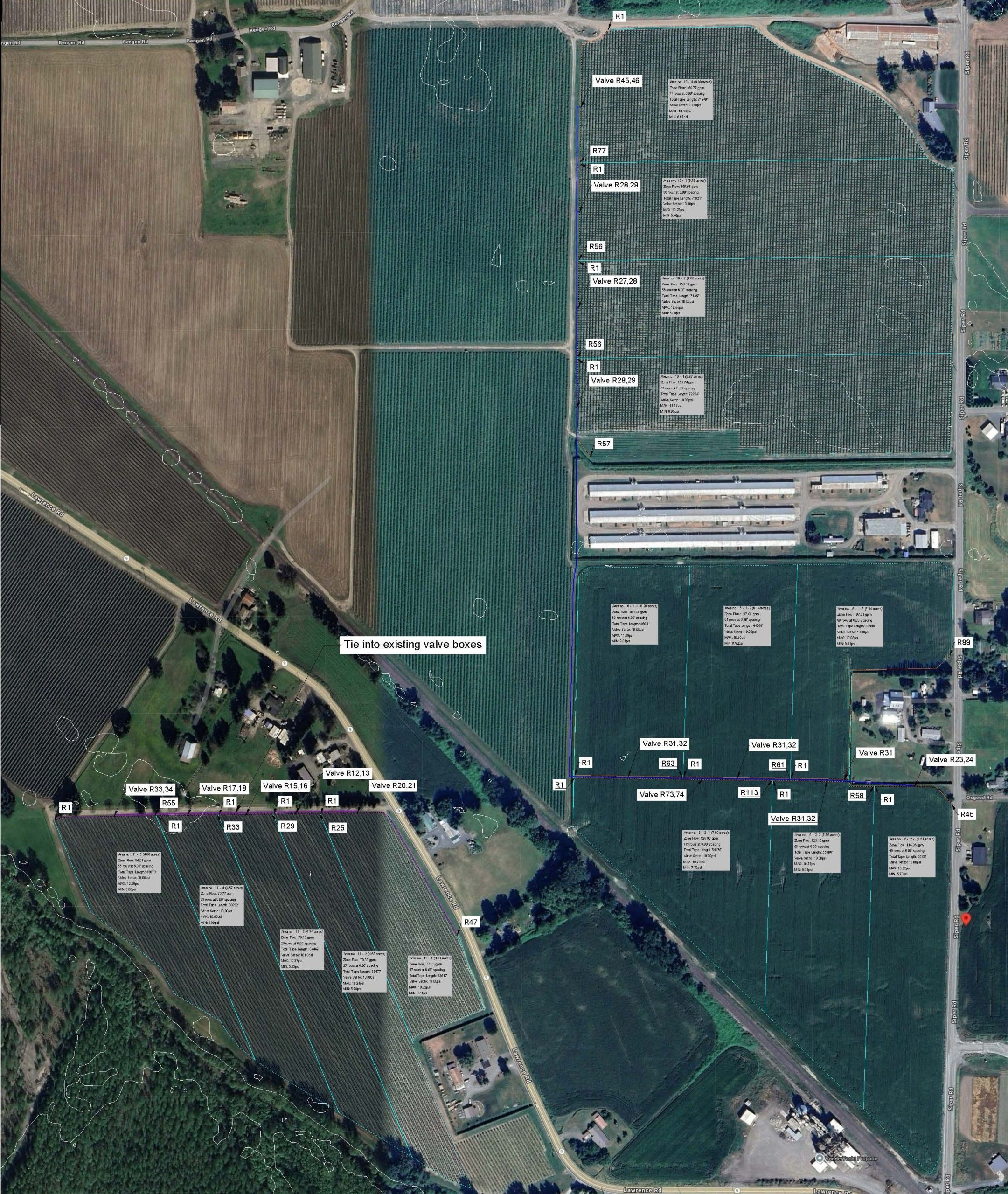
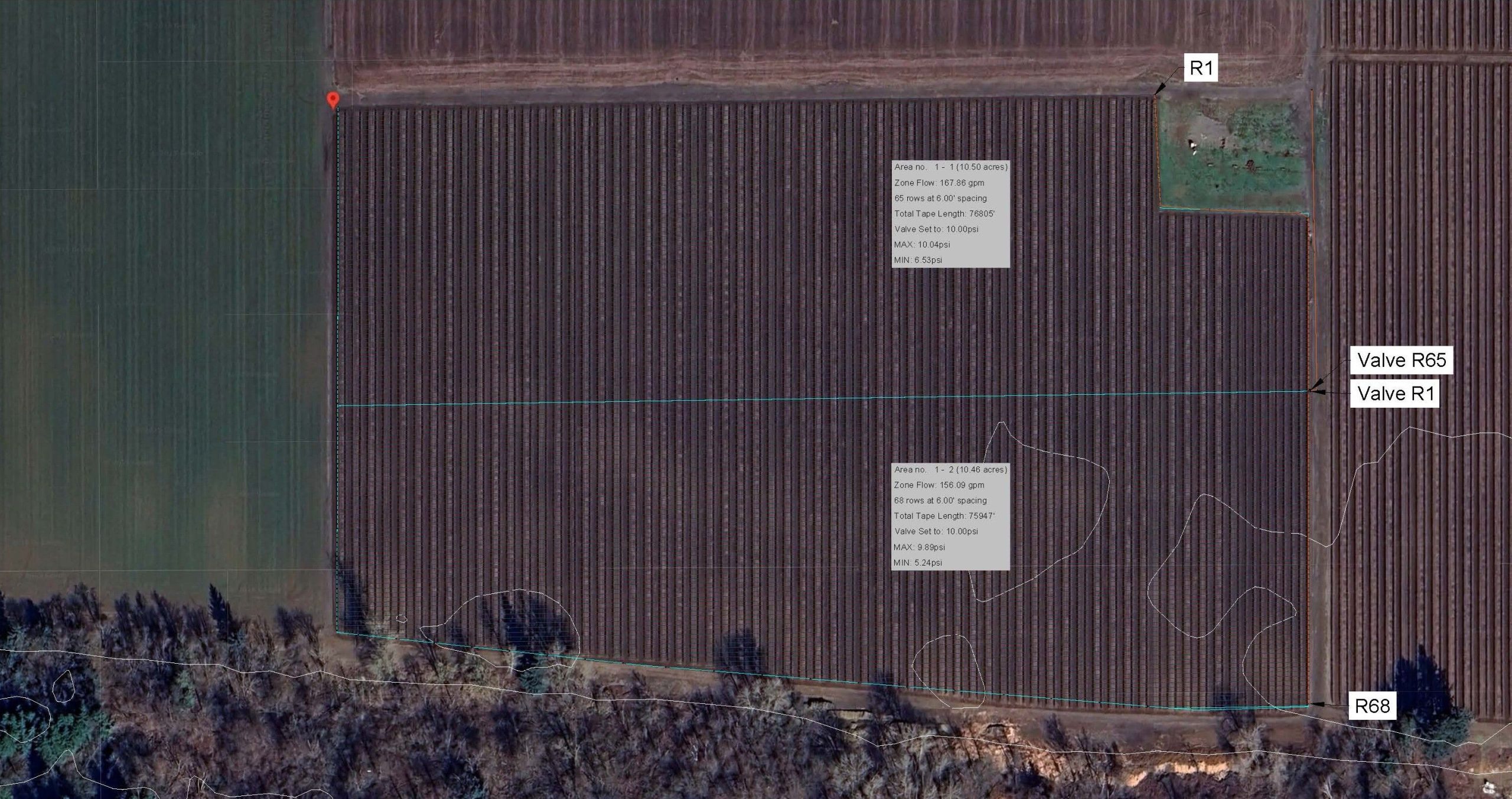
Andros Engineering (California) was the project lead that partnered with Ebe Farms on system design and supplied the machines for laying and picking up the tape. Delta WaterTec’s role was:
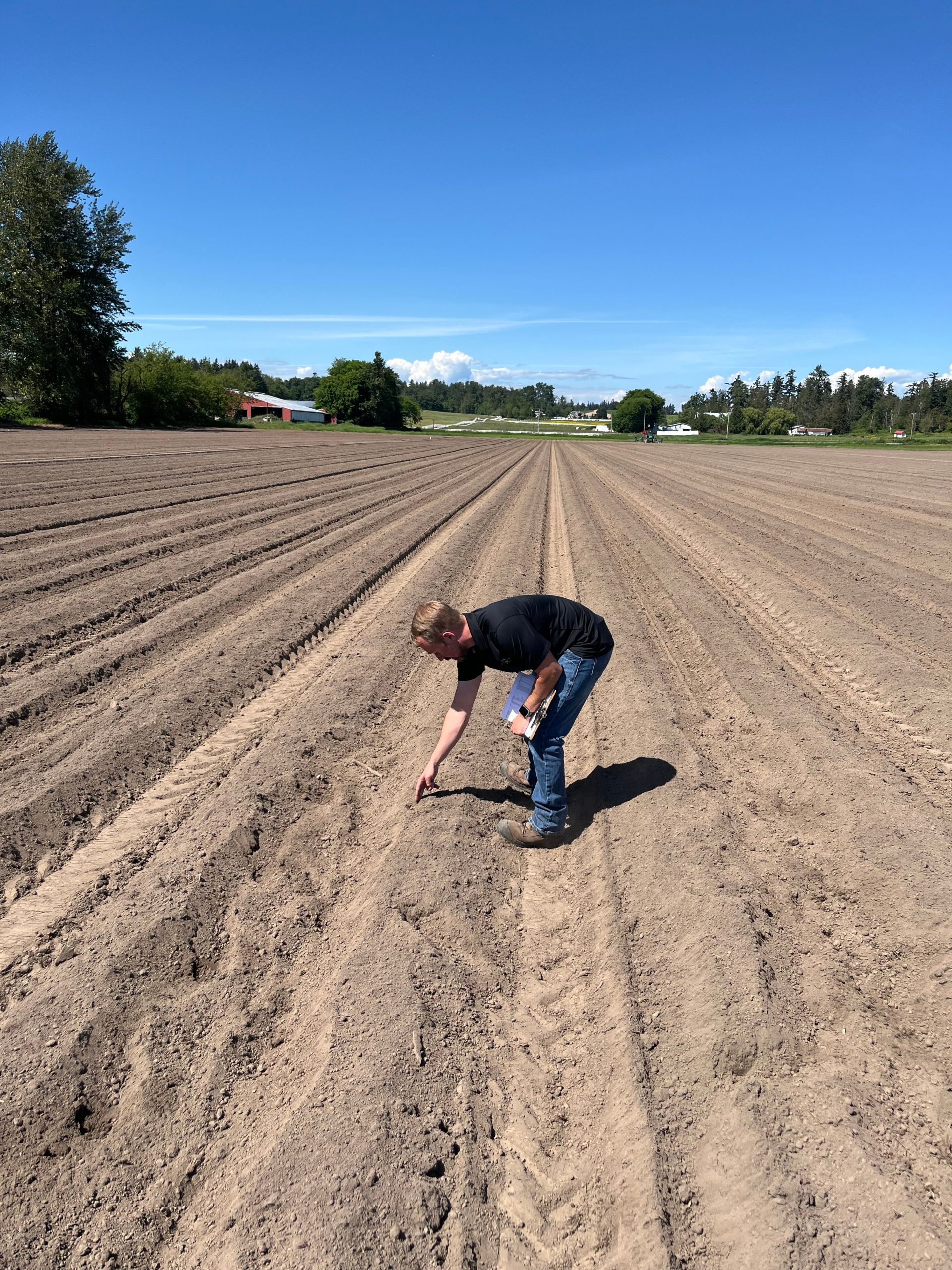
We stopped by last month and captured this video in the field where they were installing. The pictures below it are from the same visit.

Videos:
Website/Social Platforms:
“Delta WaterTec supports customers who are pushing toward greater efficiency, water conservation, and better outcomes, and we bring the products, expertise, and service to help them get there.”



Please click the button below, and we’d be happy to get back to you with further details.
When a customer needs a vertical turbine pump — planned or urgent — most suppliers can place an order. Delta…

“We were very impressed with the professionalism and responsiveness from the folks at Delta WaterTec. From the sales team through…
This project was about more than installing new infrastructure; it was about restoring agricultural capability to land that had not…